

Kazakhstan’s IT sector is growing faster than commercial infrastructure. By the end of 2024, commercial data centers held roughly 3,800 racks — almost fully utilized. Local businesses and foreign entrants often have nowhere to scale.
In an ER10 interview, Akashi Data Center CEO Vladislav Minkevich explains why the country needs a large domestic facility and why Astana won the site decision: Astana Hub, AIFC tax preferences, logistics, and available land — unlike congested Almaty.
Shortage as a bottleneck
Minkevich argues that rack scarcity slows digitalization: companies cannot upgrade processes and services, and international players delay market entry. Yandex, for example, had to build its own data center before operating at full scale in Kazakhstan.
Local DCs also close the regulatory loop: personal data must be stored in Kazakhstan. Offshore hyperscalers do not replace that layer. Physical locality also enables cyber shields, SOC monitoring, and service continuity if external gateways are cut off.
Jobs and economics
International estimates link 1 MW of IT load to 100–250 indirect jobs. A DC + AIFC + Astana Hub stack can unlock thousands of roles — from telemedicine and cloud to construction and infrastructure suppliers.
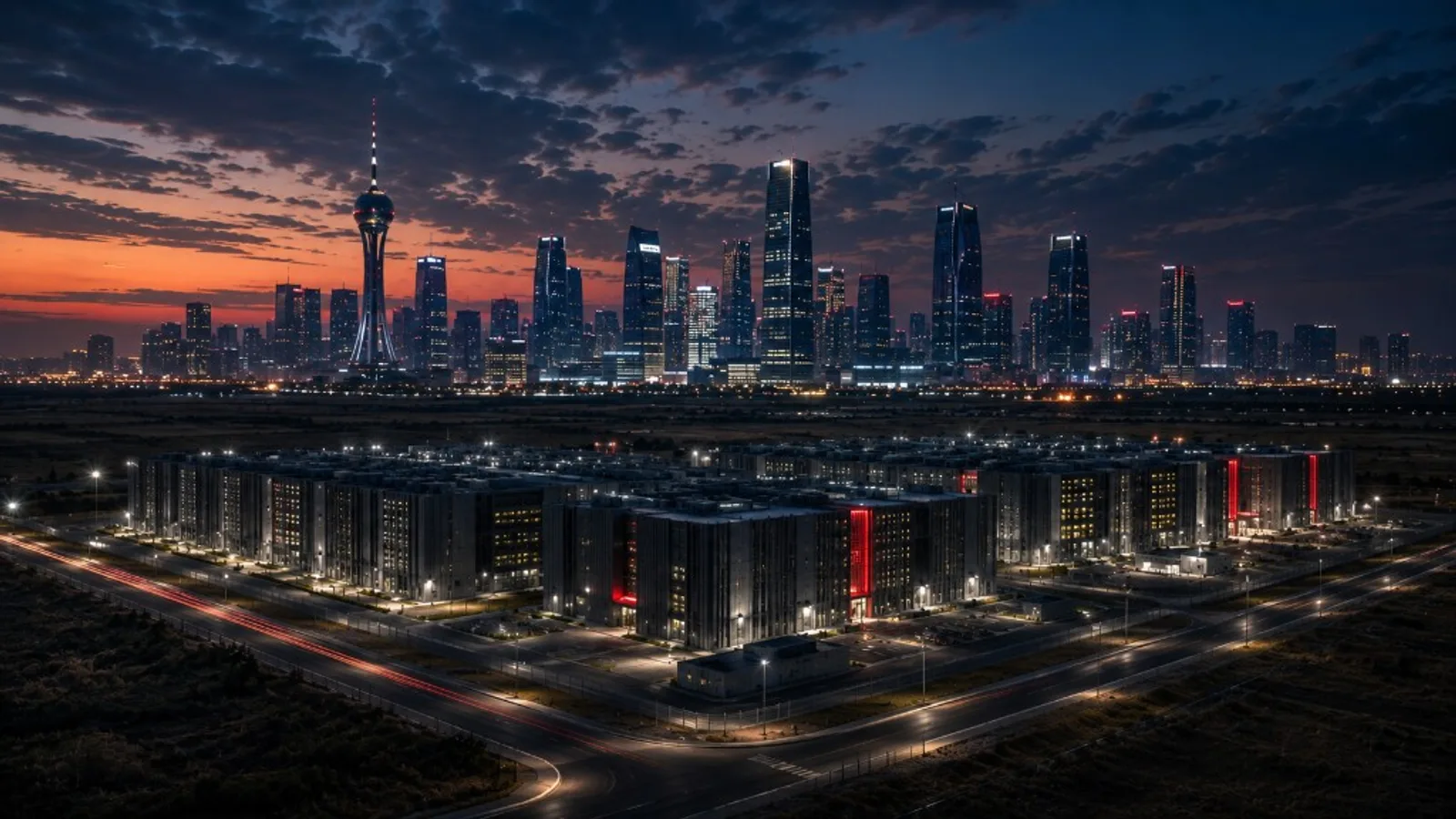
Akashi is building a Tier IV campus (under 26 minutes of downtime per year) with about 4,000 racks. First block: Q1 2026, further phases through 2027, with a path to 100 MW. Until spare racks appear, businesses park servers in office-building technical rooms — without comparable reliability.
Source: ER10